
What’s Happening to the Real Estate Market? Should You Buy, Sell, or Wait?
What’s Happening to the Real Estate Market? Should You Buy, Sell, or Wait?
Is this a great time to buy a house, or a terrible time?
When are interest rates finally going to come down?
Those are questions we hear all the time right now.
Some sellers are saying:
“I think I’ll wait until interest rates come down before I list my home.”
Meanwhile, some buyers are saying:
“I’m just going to sit this one out. I’ll buy after the market crashes, or at least after interest rates get a lot lower.”
At first glance, both positions sound reasonable.
But there are a few things worth thinking about before deciding to sit on the sidelines.
Is the Real Estate Market Going to Crash Like 2008?
People have been predicting another 2008-style housing crash for quite a while. It hasn’t happened.
And while none of us has a crystal ball, there are some very important differences between today's housing market and the conditions that led up to 2008. Before the 2008 crash, there was a tremendous amount of cheap money available, and builders had constructed huge numbers of homes. In many areas, there was simply too much inventory.
Then there was the lending problem.
A lot of buyers were placed into adjustable-rate and other risky mortgages with attractive introductory payments. Those low payments made homes appear affordable, at least temporarily.
Then the introductory period ended.
Payments increased dramatically, and many homeowners suddenly discovered they could no longer afford the house they had purchased.
Eventually, all the chickens came home to roost at about the same time.
Foreclosures soared. Homes flooded the market. Builders already had unsold inventory sitting vacant, and there weren't enough qualified buyers to absorb it all.
Prices fell dramatically in many areas.
Today's Market Is Different
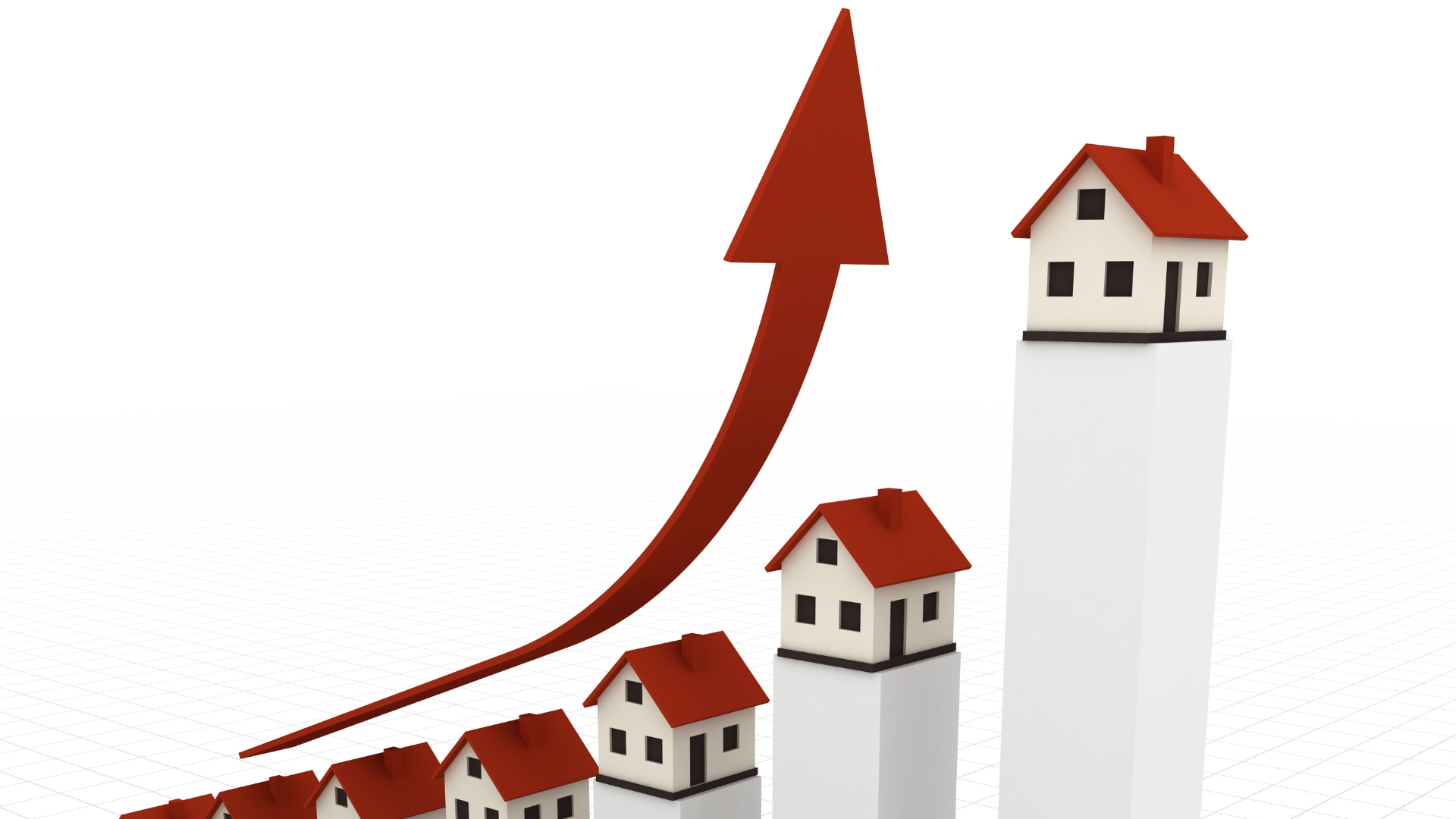
We certainly have more inventory today than we had during the incredibly tight housing markets of a few years ago.
In July 2026, Northwest MLS reported that the number of active listings across its service area was nearly 20% higher than a year earlier.
That's significant.
But more inventory doesn't automatically mean a crash.
In fact, more inventory can be good news for buyers.
It means you may have more properties to choose from, more time to make a thoughtful decision, and in certain situations more room to negotiate with a seller.
For sellers, however, it means pricing and marketing matter more.
You can no longer assume that simply putting a house on the market will produce a line of buyers at the front door.
The market is changing.
That isn't the same thing as the market collapsing.
“I'll Buy When Rates Get Back Under 4%”
I hear this one too.
“When mortgage rates get back down to 3% or 4%, then I'll buy.”
The trouble is, those extraordinarily low rates were not normal.
They came during unusual economic circumstances and monetary policies that helped drive borrowing costs to historic lows.
As of August 2026, the average 30-year fixed mortgage rate reported by Freddie Mac is in the mid-6% range.
Could rates come down?
Absolutely.
Could they go back up?
Absolutely.
Could we see 4% again someday?
Certainly.
But planning your life around the assumption that 3% or 4% mortgage rates are coming back soon may not be much of a plan.
So perhaps the better question is:
What exactly are you waiting for?
What Happens If Rates Do Drop?
Here's another part of the equation that buyers sometimes overlook.
Suppose mortgage rates do drop substantially.
You're probably not going to be the only person who notices.
Thousands of other buyers who have also been sitting on the sidelines may suddenly decide:
“Now is the time!”
And what happens when more buyers start chasing the same houses?
Competition increases.
Prices can increase.
Multiple offers can return.
Seller concessions can disappear.
That house you're able to negotiate on today may cost considerably more when rates finally reach the number you've been waiting for.
The interest rate is important.
But the interest rate is only one part of the transaction.
You also have to consider:
· Purchase price
· Available inventory
· Competition from other buyers
· Seller motivation
· Your down payment
· Your monthly payment
· Your financial stability
· How long you intend to own the property
Sometimes the lowest interest rate doesn't produce the best buying opportunity.
What About Sellers? Should You Wait?
Sellers sometimes use the opposite argument.
“I'll wait until rates come down. Then there will be more buyers.”
There may be.
But remember, there may also be more sellers.
If thousands of homeowners are waiting for the same signal you are, improved conditions could bring additional inventory onto the market right along with those additional buyers.
And meanwhile, something else keeps happening.
Life.
I Don't Have a Crystal Ball, But Some Things Never Change
Do I know exactly where the real estate market will be six months from now?
No.
A year from now?
No.
But there are some factors in real estate that never seem to disappear.
Interest rates change.
Markets change.
Prices change.
But people keep living their lives.
And life creates real estate transactions.
Aging
We get old.
I've helped quite a number of elderly people liquidate their property and move into assisted living.
It's tough.
Often, I help them sort through and get rid of years and years of belongings before they make the move.
Sometimes I even end up taking some of those belongings home myself, which may help explain the number of cats I now own!
Eventually, however, the house needs to be sold.
Another property enters the market.
Death, Divorce and Diapers

They may sound like an odd combination, but all three have something in common:
They change people's housing needs.
When someone passes away, it's often the children who are left to deal with everything.
The furniture.
The tools.
The boxes in the garage.
The things Mom and Dad saved for 40 or 50 years.
And eventually, the property itself.
Another home enters the market.
Then there's divorce.
One household becomes two.
The family home may need to be sold. One spouse may buy out the other. Or both may need to find somewhere else to live.
Nobody enters a marriage planning for that outcome, but when it happens, the real estate decision frequently can't wait until interest rates become more favorable.
And then there are diapers.
Well, not really the diapers.
Babies!
A young couple becomes a young family.
Suddenly that cute little two-bedroom house that seemed perfect three years ago feels about the size of a broom closet.
Maybe they remodel.
Maybe they add on.
Or maybe they sell and buy a larger home.
Once again, real estate moves.
Jobs
People change jobs.
A better job may mean a family can finally afford the house they've wanted.
Or a new job may require moving to another town, another state, or across the country.
Either way, somebody may be buying and somebody may be selling.
You Can Only Hold Your Breath for So Long
That's really the point of all this.
When the market gets difficult, people naturally think:
“I'm just not going to participate. I'll wait until conditions are better.”
And sometimes waiting really is the best decision.
But you can only hold your breath for so long.
Eventually someone retires.
Someone gets married.
Someone gets divorced.
A baby arrives.
A parent can no longer maintain the family home.
Someone gets a better job.
Someone loses a job.
Someone passes away.
Someone needs more room.
Someone needs less room.
Someone simply decides it's time for something different.
Life doesn't wait for mortgage rates to reach our favorite number.
And that's one reason I don't expect the real estate market to simply stop.
It may speed up.
It may slow down.
Prices may increase.
Prices may soften.
Interest rates will rise and fall.
But people will continue buying and selling property because life keeps happening.
So Is This a Good Time to Buy?

For some people, yes.
For others, no.
That's not much of a sales pitch, but it's the truth.
If buying a home today would stretch your finances beyond what you can comfortably afford, then buying simply because somebody tells you that “now is the time” would be foolish.
But if you can afford the payment, you find the right property, and you intend to stay for a reasonable period of time, today's slower market may offer opportunities you won't have when competition increases again.
There are more properties available.
Some sellers are motivated.
Some homes have been sitting on the market longer.
Depending on the property, there may be opportunities to negotiate price, repairs, closing costs or other concessions.
And there's something else worth remembering:
You may be able to refinance an interest rate later.
You can't go back five years from now and buy today's house at today's price.
Is This a Good Time to Sell?
Again, it depends upon your situation.
Homes are selling.
But buyers are more selective, and sellers need to be realistic.
In this kind of market, three things become especially important:
Price it right.
Present it well.
Market it aggressively.
A good property that's overpriced can sit.
A good property that's poorly presented can sit.
And a good property that nobody sees can definitely sit.
This is not necessarily a bad market.
It's simply a market that requires more thought and better execution.
Maybe We're Asking the Wrong Question
We tend to ask:
“Is this a good market or a bad market?”
Maybe that's the wrong question.
A better question might be:
“Does today's market allow me to accomplish what I need to accomplish?”
Because nobody rings a bell at the absolute bottom of the market and tells us it's time to buy.
Nobody rings another bell at the absolute top and tells us it's time to sell.
We usually recognize those moments only after they're gone.
So don't base one of life's biggest financial decisions entirely on predictions about what interest rates, home prices or the economy might do next year.
Look at the market we actually have.
Look at your circumstances.
Run the numbers.
Then make the decision that makes sense for your life.
Because markets come and go.
Life keeps happening.
If you're thinking about buying or selling in Northeast Washington, we'd be happy to sit down with you, look at your situation and help you understand your options.
No crystal ball.
No pressure.
Just good information to help you make a good decision.

Day Star Realty Team
Helping People Make the Move