Wildfire Season in Northeast Washington: Is Your Home and Homeowners Insurance Ready?
Wildfire has become a season in the American West
Wildfire has become a season in the American West.
Here in Northeast Washington, we have spent weeks this summer watching smoke columns, checking fire maps, following evacuation notices and wondering where the next fire might start.
And if there is one lesson recent fire seasons have taught us, it is this:
Wildfire risk is no longer just a rural property problem.
Years ago, conversations about wildfire and homeowners insurance often focused primarily on rural properties.
How far was the house from a fire station?
Was there a volunteer fire department nearby?
Could fire equipment reach the property?
Those things still matter.
But the insurance landscape has changed.
Today, insurance companies are looking much more carefully at wildfire exposure when evaluating homes. Whether you live several miles out in the country, in a subdivision, on the edge of town or practically next door to the fire hall, wildfire exposure is something homeowners need to take seriously.
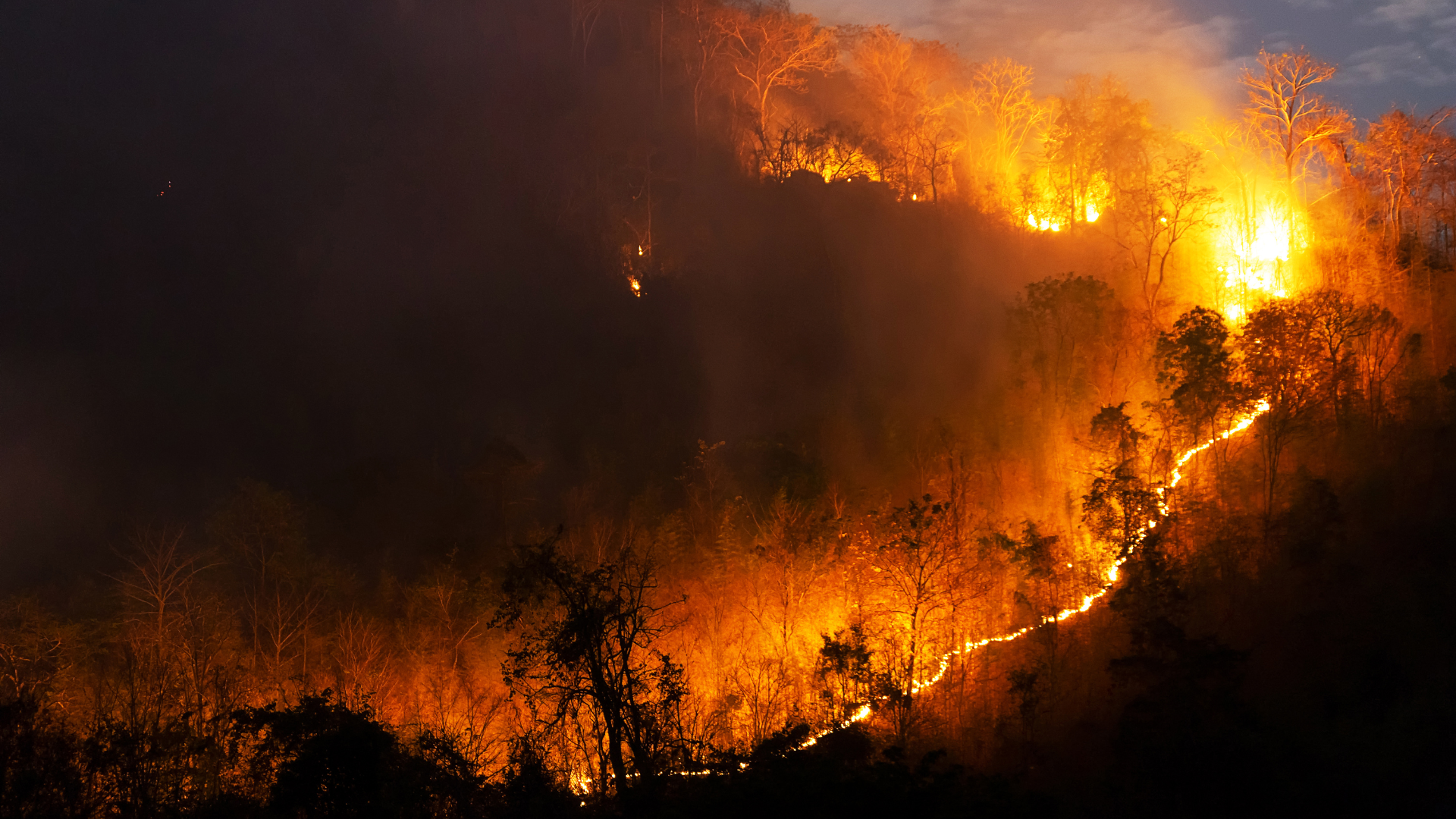
Recent fires around the Spokane area have demonstrated something many of
us already suspected:
You do not have to live deep in the woods to be at risk.
Wildfire Can Start Almost Anywhere
One of the things this summer has demonstrated is just how many ways a
wildfire can begin.
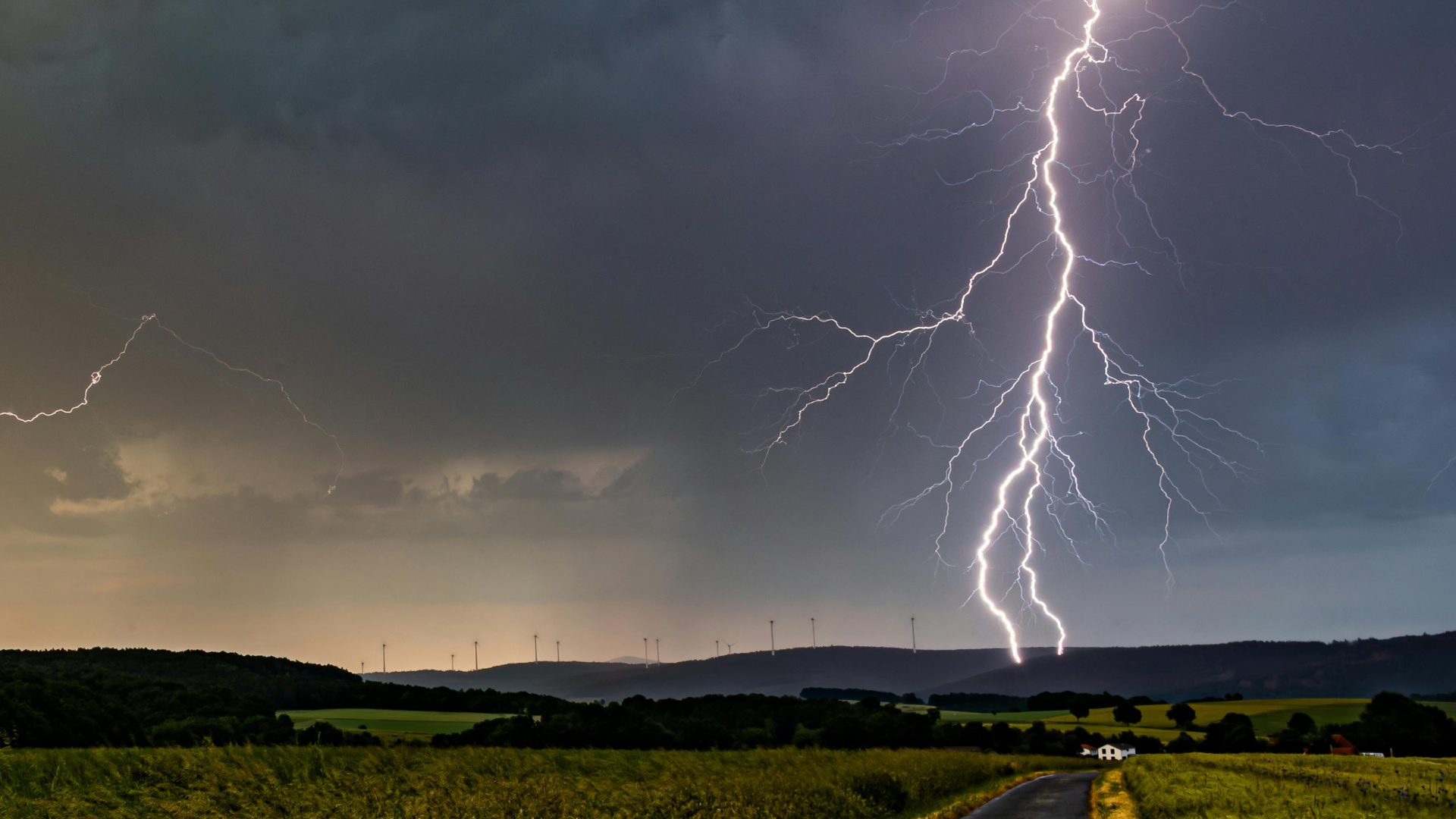
We have seen or heard about fires associated with:
- Lightning
- Arson
- Electrical problems
- Escaped debris or garbage burning
- Vehicles and trailers creating sparks
- Farm equipment operating in dry fields
- Construction or mechanical equipment
- Campfires and recreational activity
- Other accidental human causes
Sometimes the ignition source is dramatic.
Sometimes it is incredibly ordinary.
A blown tire leaves a trailer running on a steel rim, throwing sparks.
Someone burns debris and loses control of the fire.
A piece of farm equipment operates in grass that is tinder dry.
A spark lands in the wrong place.
The wind comes up.
Suddenly, something that seemed insignificant becomes a major emergency.
That is why wildfire risk mitigation has become a serious homeownership
issue in 2026.
The question is no longer simply:
"Do I live in the woods?"
A better question is:
"If fire or wind-driven embers reach my property, what have I given them to burn?"
Start With the Area Immediately Around Your Home
One of the most important things homeowners can do is remove combustible material immediately around structures.
Walk around your house, garage, shop, barn and other buildings.
Then really look at what is sitting there.
Do you have leftover lumber from building your shop?
Wood pallets?
Cardboard?
Scrap construction materials?
Firewood?
Dry leaves or pine needles?
Plastic containers?
Old equipment?
Projects you have been meaning to deal with for years?
Get combustible material away from your structures.
If those leftover building materials are worth keeping, put them inside an
appropriate building or relocate them farther away.
If you no longer need them, get them off the property.
We all have things we consider useful or valuable because we might need
them someday.

But when wildfire is approaching, that pile of "valuable stuff" can suddenly look
very different.
It becomes fuel.
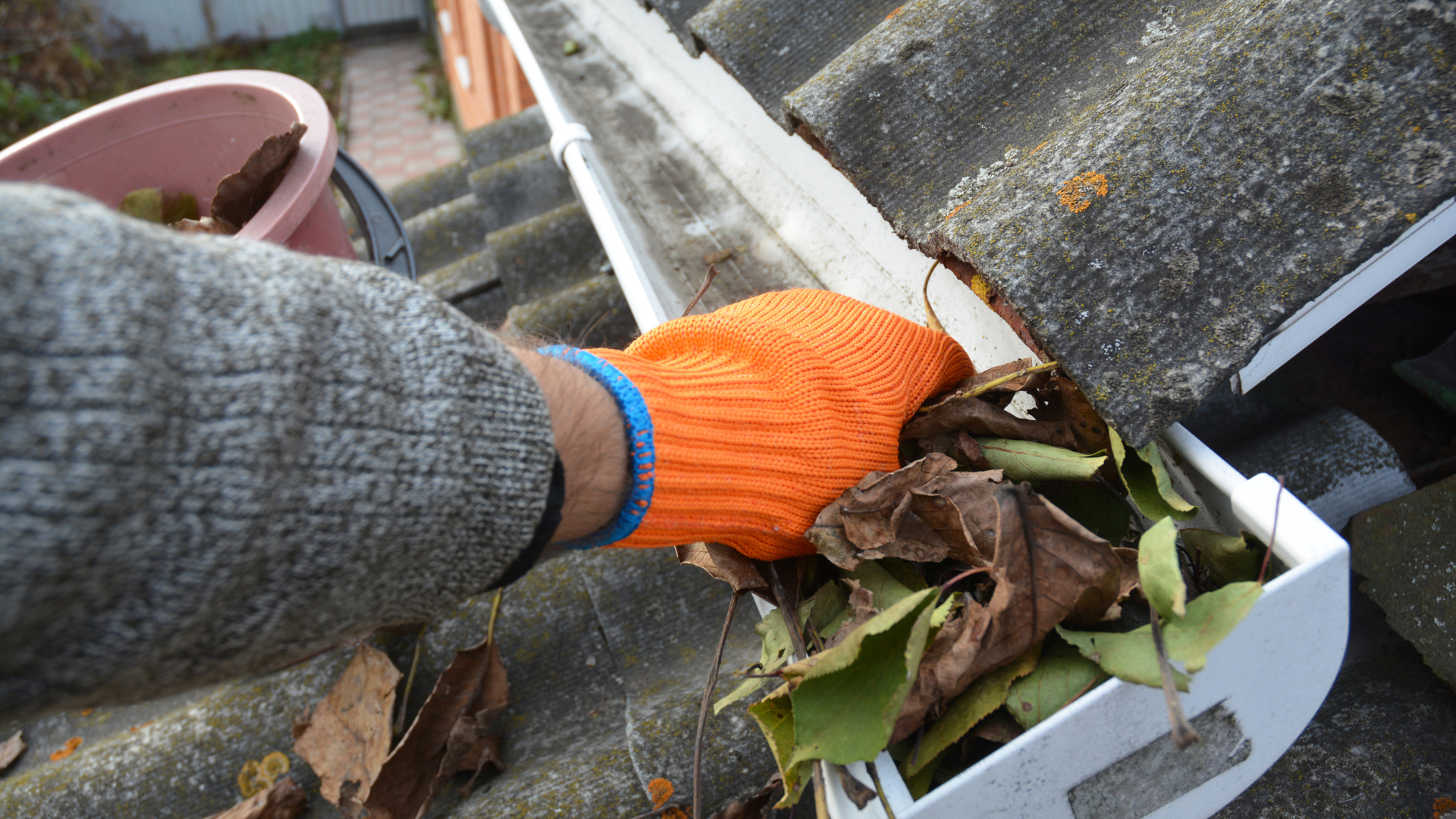
Clean Your Roof, Gutters, Decks and Corners
A wall of flame does not have to reach your house for your home to ignite.
Wind-driven embers can travel ahead of a wildfire and collect in exactly the
places homeowners tend to overlook.
Pay particular attention to:
-Roof valleys
- Gutters
- Decks
- Under decks
- Porches and steps
- Around foundations
- Corners where leaves and needles accumulate
- Fences or combustible materials attached to the house
Remove dry pine needles, leaves, grass and other combustible debris.
Also look carefully at vents and openings where embers could potentially
enter the structure.
Routine maintenance may seem insignificant when everything is green and
damp.
During wildfire season, it can matter enormously.
Rethink Trees, Brush and Landscaping
You do not have to turn your property into a moonscape.
But homeowners in Northeast Washington should think differently about vegetation surrounding their homes.
Wildfire-preparedness guidance generally considers several areas surrounding a structure.
The First 5 Feet
The home itself and approximately the first five feet around it deserve special attention.
Keep this area as free of combustible material as practical.
That means reconsidering:
- Shrubs directly against the house
- Firewood stacked alongside siding
- Bark and other combustible landscaping materials
- Dead vegetation
- Pine needles
- Wooden planters
- Other materials that could carry fire directly to the structure
Those cute shrubs beneath the windows may deserve another look.
So might that tree hanging over the roof.
Landscaping should be attractive.
It should not become a fuse leading directly to your home.
From About 5 to 30 Feet
The goal in this area is to reduce continuous vegetation that allows fire to travel toward the house.
Space trees and shrubs.
Remove dead vegetation.
Keep grasses maintained.
Prune lower limbs.
Break up continuous fuel paths.
From About 30 to 100 Feet and Beyond
Farther from the house, the objective is not necessarily to remove every tree.
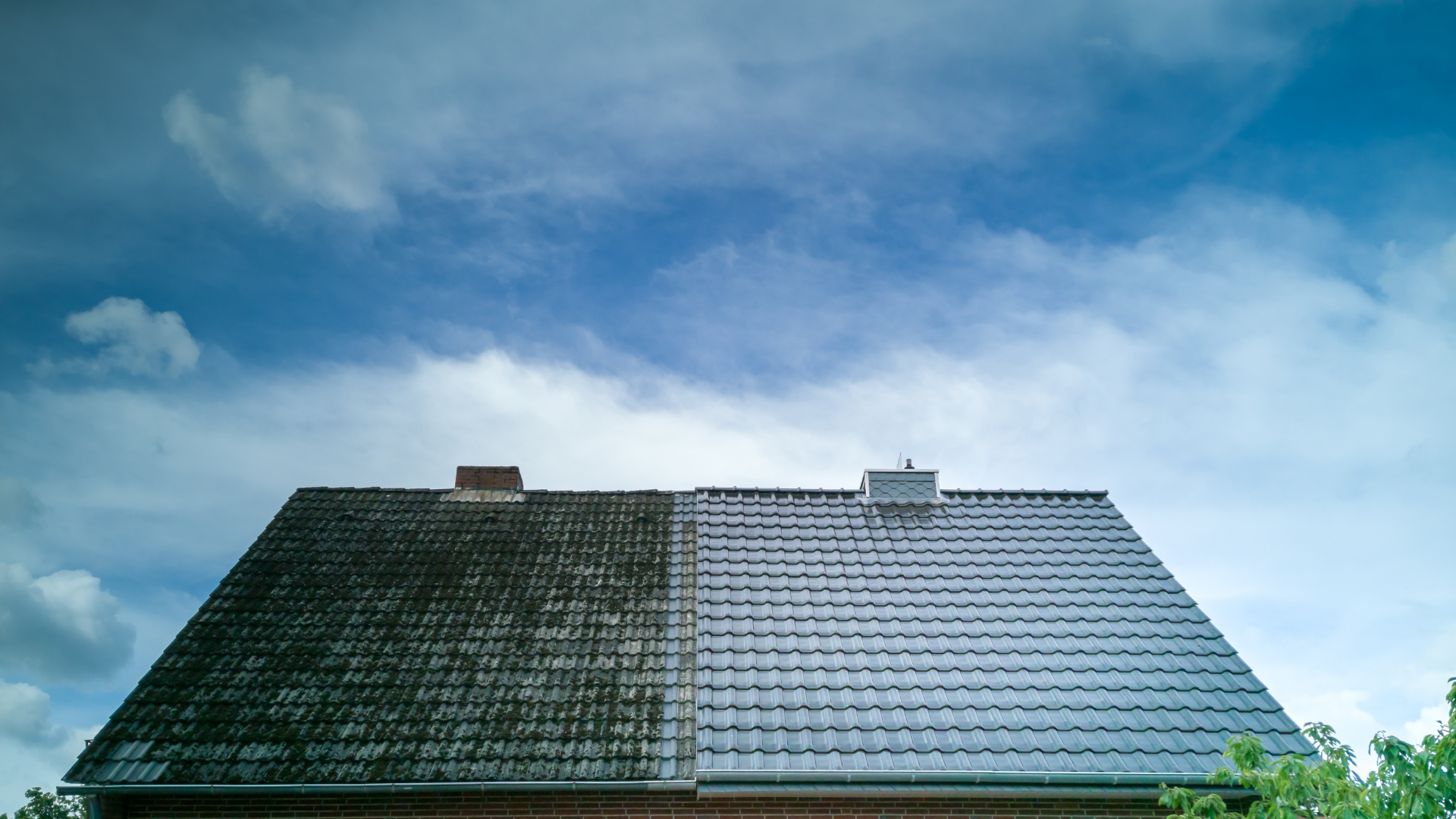
It is to reduce the intensity of a fire as it approaches your buildings.
Thin overly dense vegetation.
Remove dead trees and brush.
Remove ladder fuels.
Prune lower branches.
Break up continuous fuels.
On steep ground or heavily forested properties, mitigation may need to extend beyond 100 feet depending on the terrain and vegetation.
Ladder Fuels Matter
A wildfire that stays on the ground is one thing.
A wildfire that climbs into the tree canopy becomes something very different.
Brush, young trees and low branches can act as ladder fuels, allowing fire to climb from grass and brush into mature trees.
Removing ladder fuels around structures and throughout forested portions of a property can help reduce that risk.
This can mean pruning lower tree limbs, thinning small trees, removing dead brush and breaking up dense vegetation.
Old Vehicles, Boats, Tires and "Someday Projects"
Country properties have a remarkable ability to accumulate projects.
Old pickups.
Cars.
Boats.
Trailers.
ATVs.
Farm equipment.
Parts vehicles.
Stacks of tires.
You may be planning to restore that old truck someday.
Wildfire does not care.
Vehicles contain fuel, oil, rubber, plastics and other combustible materials. Once they become involved in a fire, they can burn intensely.
Old tires are another common problem.
If you don't need them, get them off the property.
The same principle applies to scrap materials, unused equipment and abandoned projects.
If something truly has value, store it appropriately.
If it doesn't, wildfire season may be a very good reason to finally deal with it.
When fire is on the horizon, yesterday's "valuable project" can suddenly become today's liability.
Think About the Firefighters Who May Have to Defend Your Property
Wildfire mitigation is not only about protecting buildings.
It is also about protecting the firefighters who may someday be asked to defend them.
Think carefully about where you store:
- Propane cylinders
- Gasoline
- Diesel
- Welding gases
- Acetylene and oxygen cylinders
- Ammunition or reloading components
- Other flammable, pressurized or hazardous materials
Store these materials properly and follow applicable fire and building codes.
Then put yourself in the firefighters' boots for a moment.
Imagine standing alongside a burning shop without knowing there are propane bottles, compressed gas cylinders or other hazardous materials nearby.
Reducing those hazards may make your property safer for the people trying to save it.
Can a Fire Engine Reach Your House?
This is especially important on rural and semi-rural properties.
Look at your driveway from the perspective of someone driving a large fire engine.
Is it wide enough?
Are tree branches hanging over the roadway?
Are there sharp turns?
Can a large truck turn around?
Are gates easy to open?
Is your address clearly visible from the road?
Could firefighters find the correct driveway at night or through heavy smoke?
Emergency responders should not have to guess where you live or discover after reaching your home that there is no safe way to turn an engine around.
Good emergency access is part of wildfire preparedness.
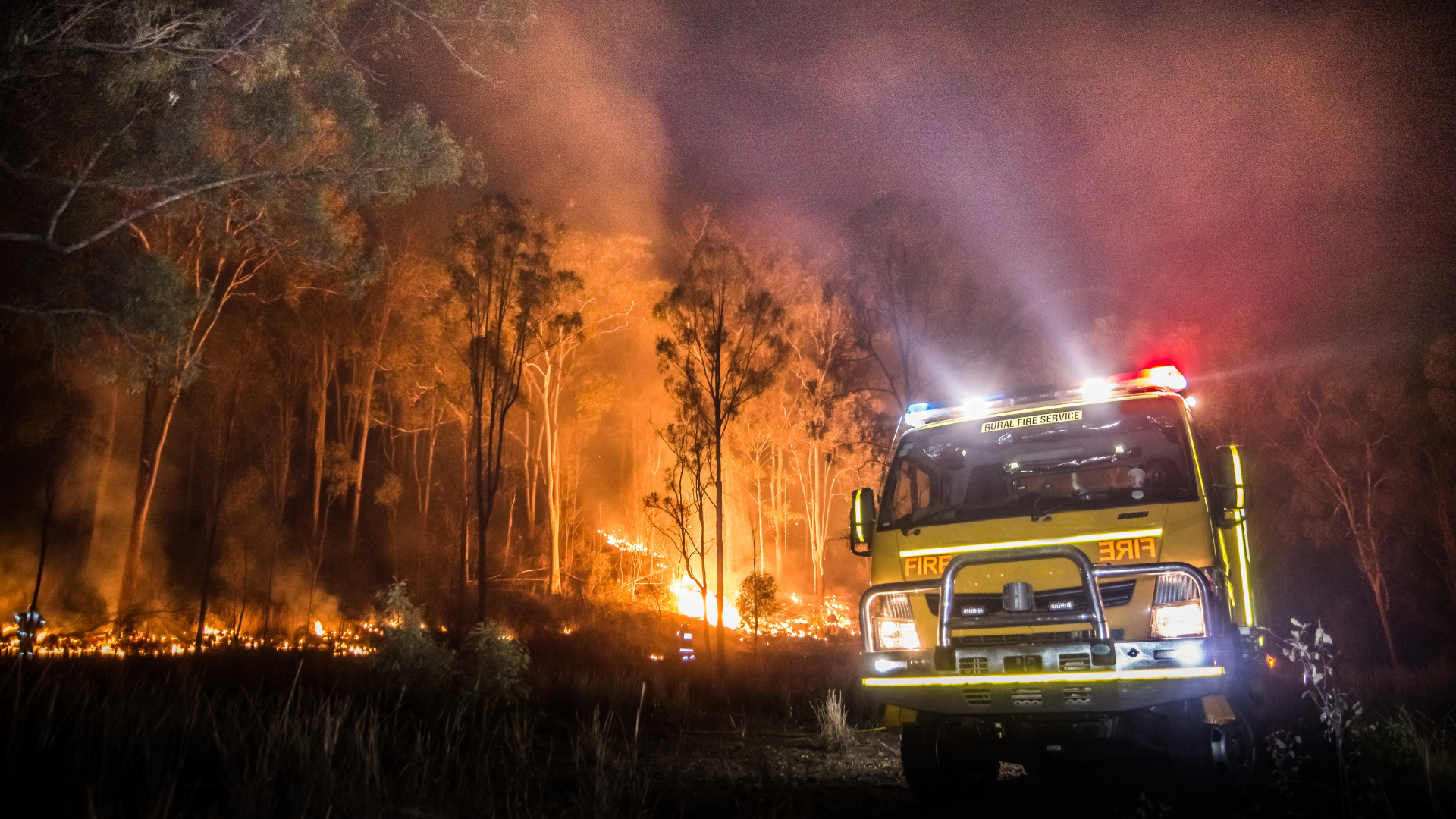
Your Roof and Siding Matter
If your home has an older wood shake or wood shingle roof, wildfire risk is another reason to consider replacing it when the time comes.
Fire-resistant roofing choices can include Class A-rated asphalt shingles, metal, tile and other qualifying materials.
If you are building a home or completing a major remodel in Northeast Washington, consider wildfire resilience when choosing exterior materials.
Metal siding and fiber-cement siding can be part of a more fire-resistant exterior.
Look carefully at decks, fences, rooflines, vents and other exterior components as well.
A home is a system.
Wildfire protection is strongest when the roof, siding, vents, landscaping and
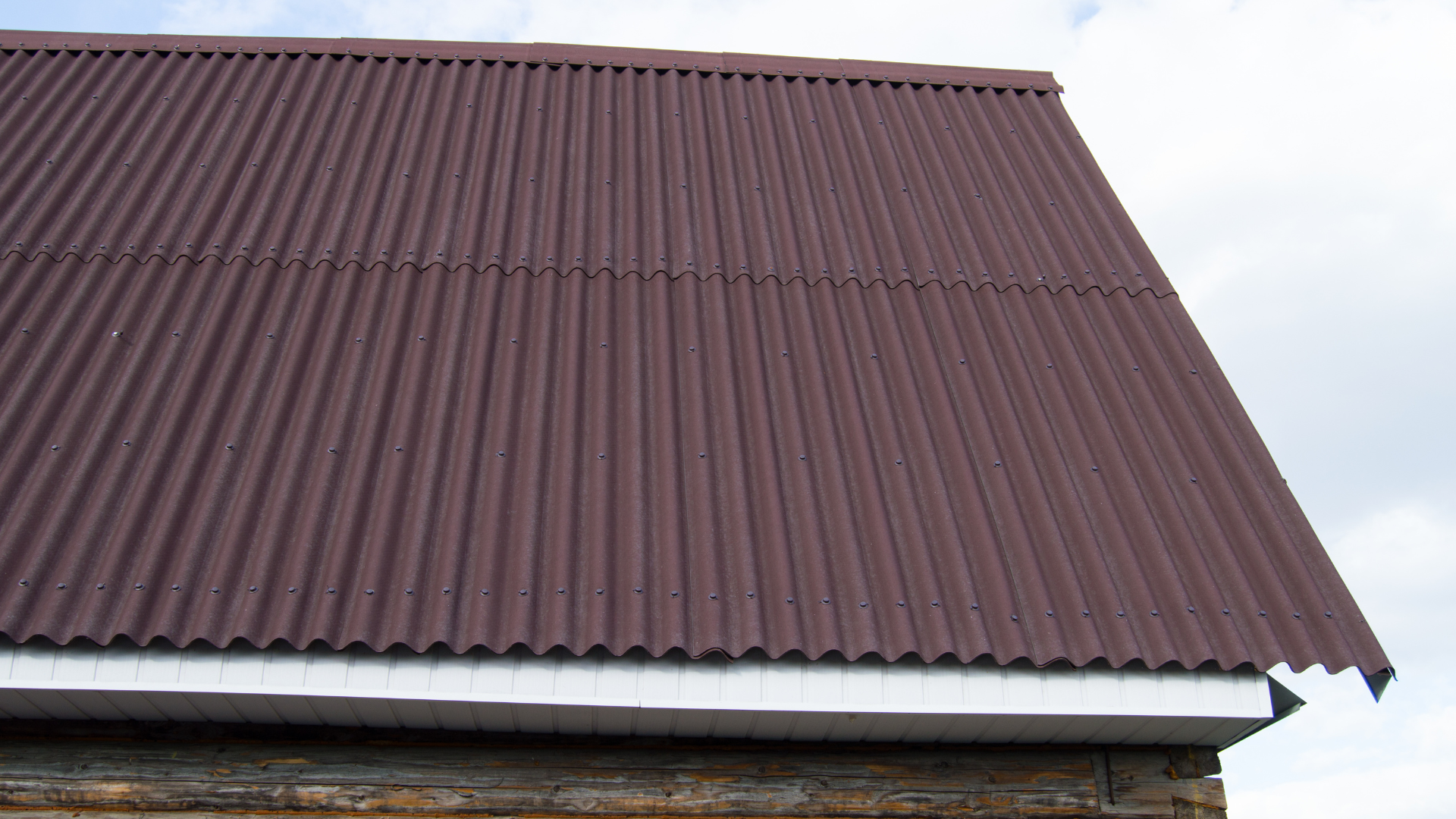
Own Forested Acreage? Washington DNR May Be Able to Help
If you own forested property, don't assume you have to figure all of this out yourself.
The Washington Department of Natural Resources offers assistance to eligible forestland owners who want to improve forest health and reduce wildfire risk.
Depending on the property and available programs, projects may include:
- Thinning overly dense stands
- Removing brush
- Pruning ladder fuels
- Creating fuel breaks
- Treating slash
- Improving forest health
- Developing forest-management plans
There may also be cost-share opportunities that help eligible landowners pay for some of this work.
Programs and funding change, so contact DNR directly before assuming that a particular project or reimbursement amount will qualify.
There are also contractors with specialized equipment that can masticate brush and smaller trees, turning some of that vegetation into mulch while reducing fuel loads.
For heavily forested properties, this kind of work can make an enormous difference.
Your Insurance Company May Be Looking at the Same Things
Here is where wildfire preparedness and homeowners insurance increasingly intersect.
Insurance companies are paying closer attention to wildfire exposure.
That can include the condition of vegetation, defensible space, roofing materials, nearby hazards and other characteristics of a property.
That does not mean clearing brush automatically earns you an insurance discount.
Every company has its own underwriting rules.
But reducing obvious hazards and improving wildfire resilience may improve how your property is viewed from an insurance-risk standpoint.
And in today's market, that can matter.
A beautiful home that is extremely difficult or expensive to insure can quickly become a real estate problem.
That is why one of the most important steps homeowners can take is simple:
Talk to your insurance professional before you have a problem.

Review Your Homeowners Insurance Every Year
Wildfire preparedness is not only about clearing trees and brush.
It is also about making sure your insurance policy still reflects what you actually own and what it would cost to replace it today.
Building costs have increased dramatically over the years.
Labor costs have increased.
Material costs have increased.
And in many parts of Northeast Washington, home values have increased as well.
A policy that appeared adequate five or ten years ago may not provide the protection you expect today.
That is why homeowners should consider sitting down with their insurance professional at least once every year and reviewing their coverage.
Do not simply look at the premium.
Ask questions.
Am I Insured for a Number, or for What It Would Actually Cost to Rebuild?
This may be one of the most important questions you can ask.
Suppose your policy lists $400,000 of dwelling coverage.
What does that $400,000 actually represent?
Would it realistically rebuild your home today if it were completely destroyed?
The market value of your property is not necessarily the same as its reconstruction cost.
Land has value.
Location has value.
But rebuilding after a fire requires paying today's costs for:
- Labor
- Lumber
- Concrete
- Electrical work
- Plumbing
- Roofing
- Windows
- Cabinets
- Flooring
- Permits
- Cleanup
- Dozens of other expenses
Ask your insurance professional how your dwelling limit was calculated.
Ask whether your policy provides replacement-cost coverage.
Ask whether extended replacement-cost options are available.
Do not assume that because your home is "insured for $X" that $X will necessarily rebuild it.
What Are the Limits of Liability and Coverage?
Insurance policies contain limits, and sometimes sublimits, for different categories of property and different types of loss.
Ask your provider to walk through those numbers with you.
How much coverage do you have for:
- Your primary residence?
- Personal belongings?
- Detached structures?
- Additional living expenses?
- Debris removal?
- Specialized equipment?
- Valuable personal property?
- Other structures or improvements?
Understanding those numbers before a fire is far easier than learning about them after a loss.
Have You Added Anything Since Your Last Insurance Review?
This is incredibly easy to overlook.
Think about what has changed since you bought your home or last reviewed the policy.
Have you added:
- A detached garage?
- A shop?
- A barn?
- A storage building?
- A shed?
- A deck?
- A covered patio?
- Solar equipment?
- A backup generator?
- Fencing?
- A major addition?
- A remodeled kitchen?
- A finished basement?
- Other significant improvements?
Does your insurance provider know they exist?
Do not assume that because a building sits on your property it is automatically insured for what it would cost to replace it.
Tell your insurance professional what has changed.
A structure that never made it onto the policy could become an extremely unpleasant surprise after a wildfire.
Have Your Belongings Changed?
Homes accumulate things.
Tools.
Furniture.
Electronics.
Appliances.
Sporting equipment.
Shop equipment.
Collectibles.
And, yes, all those things we have somehow convinced ourselves we need to keep.
If your personal-property coverage was established many years ago, ask whether it still makes sense.
Also ask whether your belongings are insured at replacement cost or actual cash value.
There can be a major difference between the two.
How Much Additional Living Expense Coverage Do You Have?
If your home burns, rebuilding may take a long time.
Where will you live?
How will you pay the additional costs?
Ask your insurance provider about Additional Living Expense, sometimes called loss-of-use coverage.
Understand how much coverage you have and how it works.
This is one of those policy provisions that may not seem particularly important until the day you desperately need it.
Make a Video Inventory of Your Home and Property
This is one of the easiest and most valuable things you can do.
Pull out your phone.
Walk through every room in your house and record what you own.
Record the furniture.
Open closets.
Open cabinets.
Record appliances.
Record electronics.
Walk through the garage.
Walk through the shop.
Record your tools.
Record equipment.
Record valuable possessions.
If you have outbuildings, record those too.
You don't have to make a Hollywood production.
You simply want documentation showing what you owned before a loss.
If possible, keep receipts or records for particularly valuable items.
Then make sure the video and your important insurance documents are backed up somewhere you can still reach if your house is destroyed.
Cloud storage can be helpful.
So can a copy stored somewhere away from your home.
There isn't much benefit in having the world's most detailed home inventory if the only copy burns with the house.

Make the Annual Insurance Review a Habit
Pick a time every year.
Maybe January.
Maybe your policy-renewal month.
Maybe August, when wildfire season reminds all of us why this matters.
Then call your insurance professional and review your property from top to
bottom.
Ask:
What would it cost to rebuild my home today?
Am I insured for actual replacement cost or simply a stated dollar amount?
What are my policy limits?
Are all of my buildings included?
Have I remodeled or added anything since our last review?
Do I have enough personal-property coverage?
Is my personal property insured at replacement cost or actual cash value?
How much Additional Living Expense coverage do I have?
Has anything changed in the way your company evaluates wildfire risk?
Are there improvements you recommend I make to the property?
An annual insurance review may take an hour.
Discovering after a fire that your policy still reflects what your house looked like and cost to rebuild ten years ago can affect your family financially for years.
Do the Heavy Work Before an Active Fire Is Coming
There is a time to thin trees.
There is a time to mow.
There is a time to remove brush.
There is a time to move firewood.
There is a time to run the tractor.
There is a time to create or maintain fuel breaks.
That time is before an active wildfire is bearing down on your property.
Fuel breaks and vegetation management can be valuable parts of a properly planned wildfire-mitigation strategy.
But don't wait until the last minute.
Once a wildfire is actively threatening your property, conditions can change incredibly quickly.
Wind can shift.
Fire can move faster than expected.
Roads can become blocked.
Smoke can reduce visibility.
Never put yourself in a position where saving property prevents you from saving yourself.
If emergency officials tell you to evacuate, leave.
The house can be replaced.
The tractor can be replaced.
The shop can be replaced.
The "stuff" can be replaced.
People cannot.
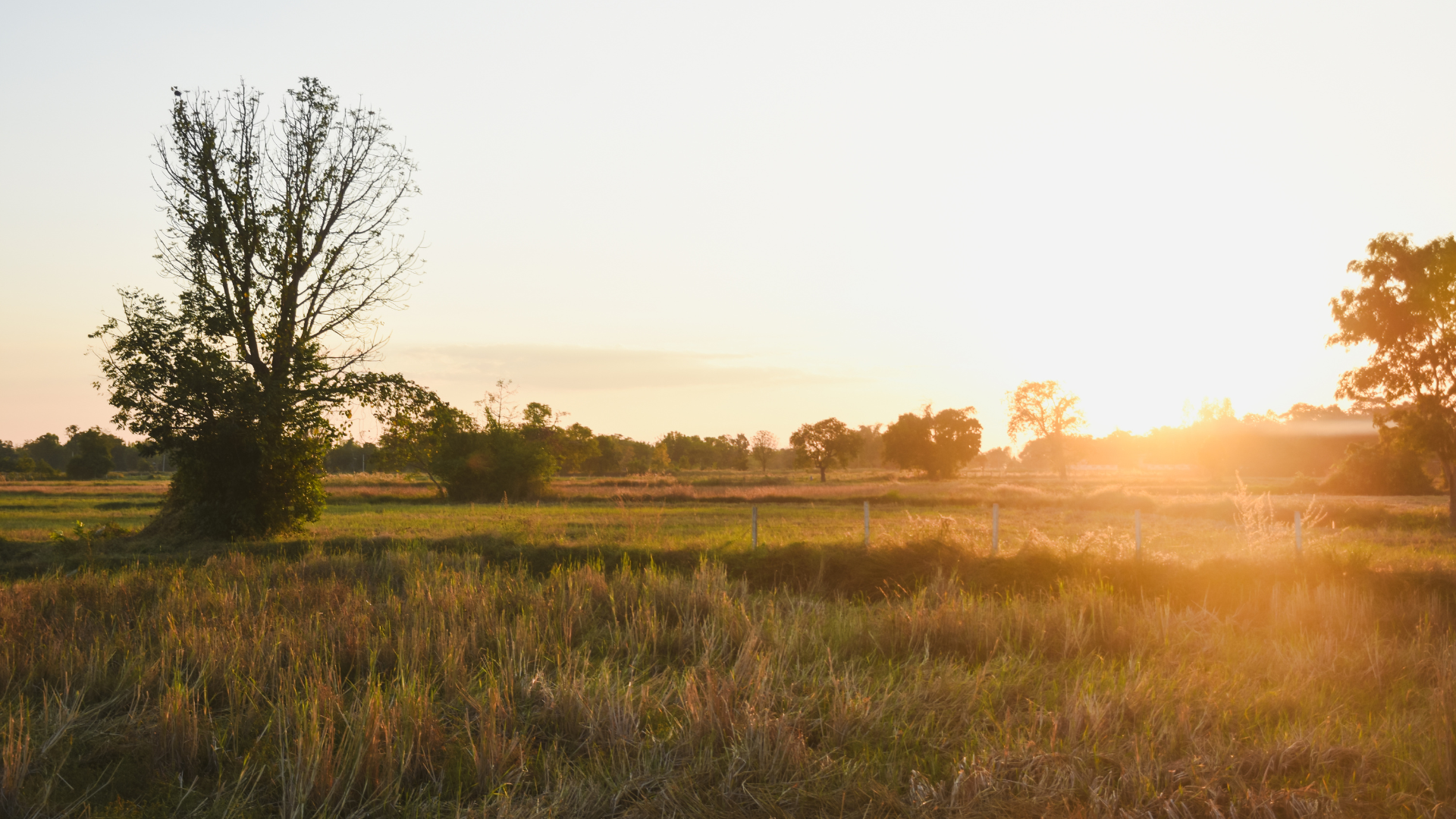
Wildfire Mitigation Is Becoming Part of Homeownership in Northeast
Washington
Wildfire is no longer something homeowners can dismiss as an occasional problem affecting someone who lives deep in the mountains.
Spokane County, Stevens County and communities throughout Northeast Washington have all seen how quickly wildfire can threaten rural properties, neighborhoods and towns.
That doesn't mean living in fear.
It means being practical.
Walk around your property this week and look at it with different eyes.
Ask yourself:
If embers landed here, what would burn?
What could carry fire toward my house?
What is sitting against my buildings that doesn't need to be there?
Do I have trees, brush or ladder fuels that should be removed?
Could firefighters safely reach and defend my property?
Do I have hazardous materials stored where they could endanger firefighters?
When was the last time I reviewed my homeowners insurance?
Would my current insurance actually rebuild what I own today?
Have I documented my belongings?
You may never be able to make a home completely fireproof.
But you can make it considerably harder to burn.
You can make your property safer for your family.
You can make it safer for the firefighters who may someday be asked to defend it.
And in today's insurance environment, taking wildfire mitigation seriously may also improve the overall risk profile of your property.
For homeowners in Northeast Washington, wildfire preparedness is no longer simply good property maintenance.
It is becoming part of responsible homeownership.
Northeast Washington Wildfire Resources
For property-specific wildfire-preparedness information, contact the Washington Department of Natural Resources and your local fire district.
For questions about homeowners insurance, replacement cost, policy limits, wildfire-risk evaluations or coverage, contact your insurance professional or the Washington State Office of the Insurance Commissioner.
This article is provided for general educational purposes and is not intended as insurance, legal, forestry, firefighting or emergency-response advice. Everyproperty and insurance policy is different. Consult your insurance professional, local fire authority and/or Washington Department of Natural Resources for recommendations specific to your property.
Day Star Realty Team Northeast Washington Real Estate Serving Spokane, Deer Park, Loon Lake, Chewelah, Colville, Kettle Falls and surrounding Northeast Washington communities.