Blogs

I grew up in the Midwest, where lakes abound. So do mosquitoes. Fishing was a big deal in our family, and I absolutely lived for it. Some of my favorite childhood memories are of coming home after a successful day on the water with a pile of fish. My mom would send me off to bed while she and my dad cleaned them. I thought that was a wonderful arrangement. I still do. Cleaning fish has never been my favorite part of fishing. The next morning, though, I would wake up to the fragrance of fresh fish fillets broiling in the oven. Man, I miss those days. Before opening day of trout season, I used to walk the little rivers near home looking for rocks, deep holes and undercut banks where trout liked to hide. I got pretty good at carefully reaching underneath the bank, feeling around until I found a trout, catching it with my hands, pulling it out long enough to admire it, and then gently putting it back. Why? Because trout season opened the next morning! I figured I would come back with my fishing pole and catch him properly. I’m not sure I still possess that particular skill. Then I Moved to Northeast Washington
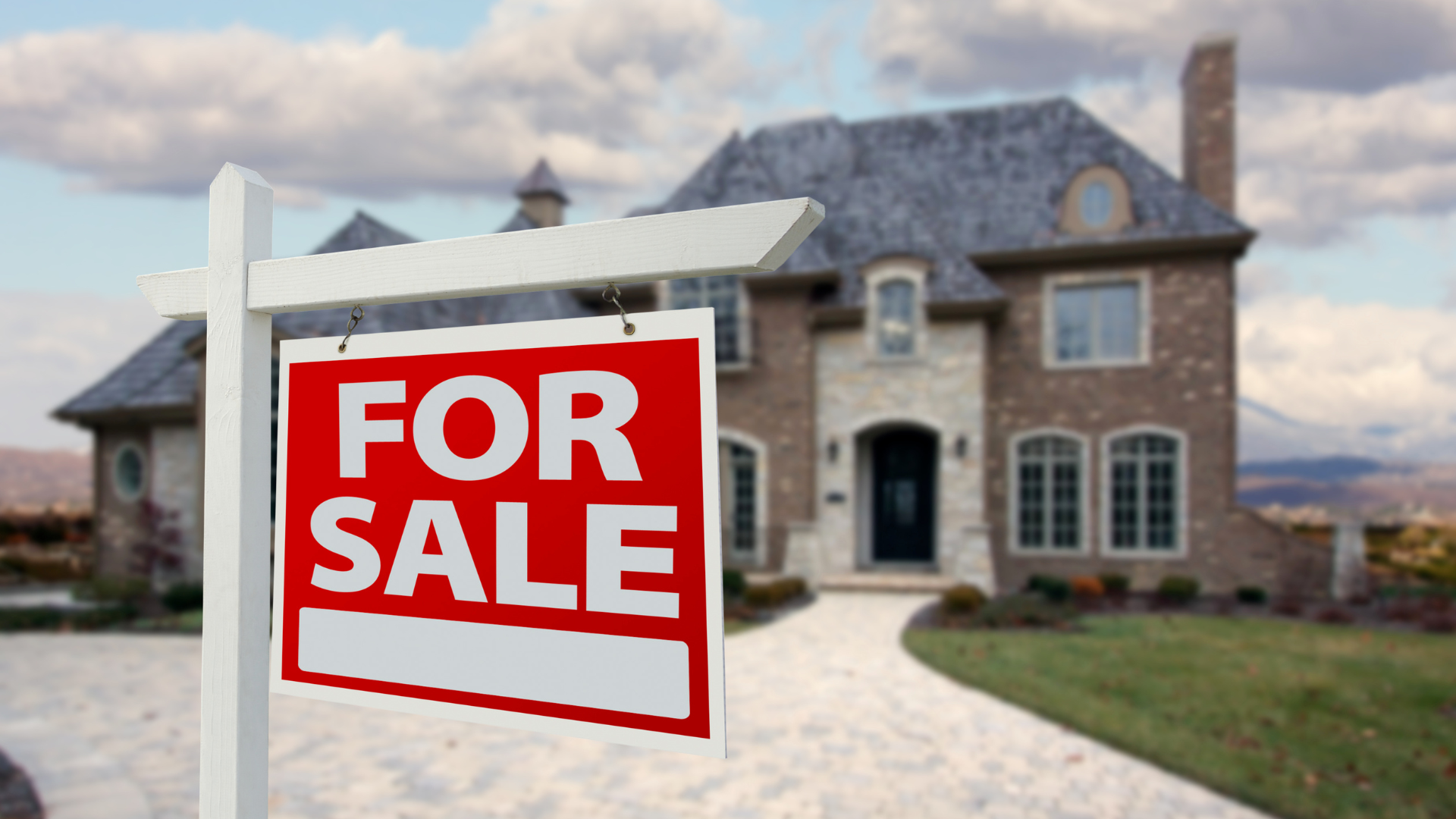
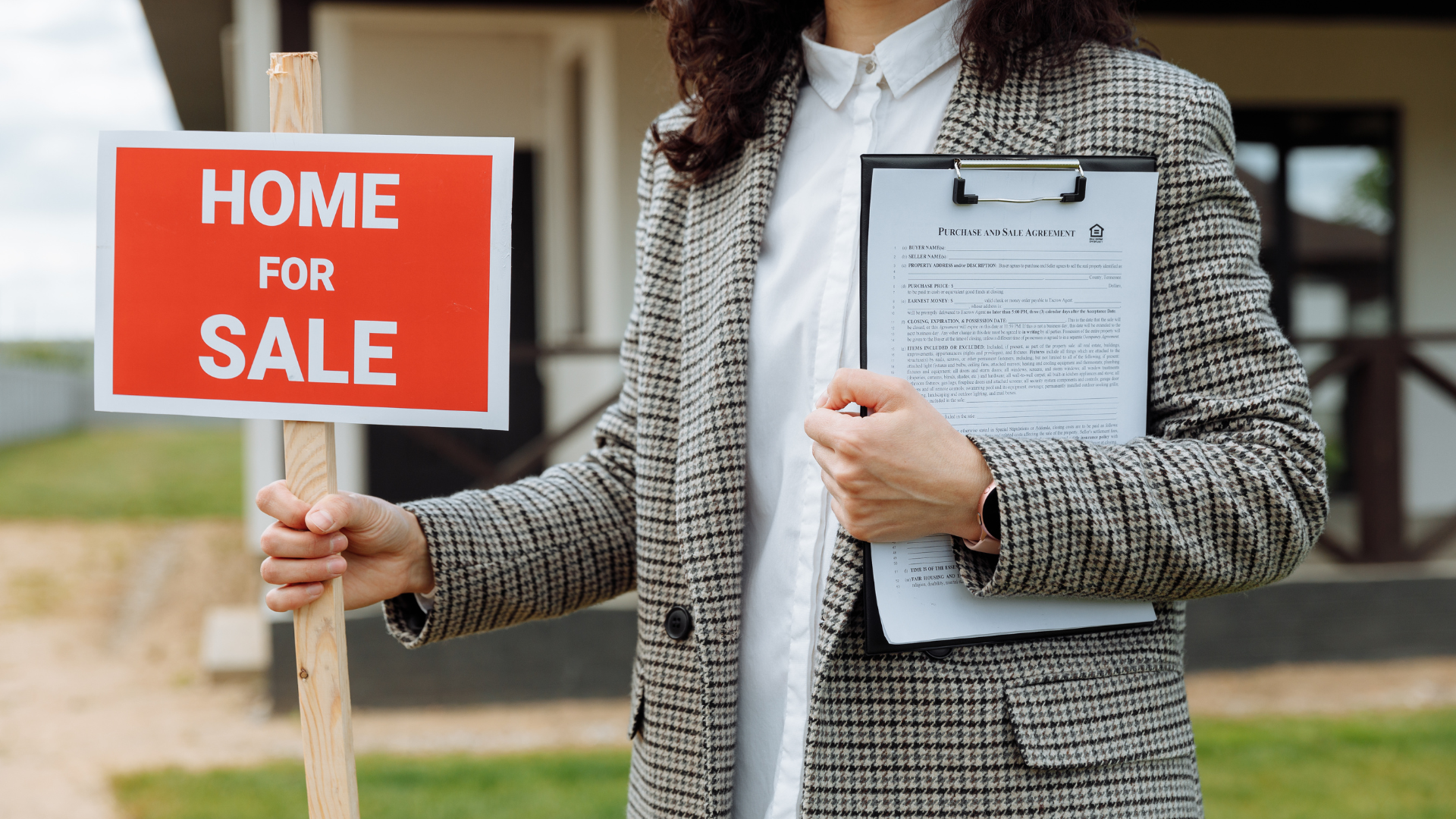
Your house is on the market. A week goes by. Then two. Then a month. You’ve had some showings. Maybe quite a few people have looked at the listing online. Perhaps a few buyers even seemed interested. But there’s one problem. Nobody is making an offer. At this point, a seller will sometimes say: “I just need the right buyer.” Maybe. But there is another possibility. The market may already be trying to tell you something. I have a name for this process. The Marketplace Education Sometimes sellers receive what I call a Marketplace Education . Unfortunately, the tuition can be more expensive than a semester at Harvard. Here’s how it usually works. A seller believes their home is worth a certain amount. Maybe a neighbor sold for that price. Maybe they added up everything they’ve spent remodeling the property. Maybe Zillow gave them a number they liked. Maybe they simply know what they need to walk away with. So the home gets listed at that price. The market responds. Or, perhaps more accurately, the market doesn’t respond. The listing sits. Eventually the seller reduces the price. Then perhaps reduces it again. By the time the price reaches the point where buyers become interested, the property may have been sitting on the market for months. And now buyers begin asking another question: “What’s wrong with it?” Nothing may be wrong with the house at all. It may simply have started at the wrong price. The Market Has Changed This is especially important in the 2026 real estate market. Across the Northwest MLS service area, active listings at the end of July were up 19.8% compared with July 2025 , giving buyers more than 4,100 additional homes to choose from. At the same time, pending sales were down 7.2% year over year . That creates a very different environment for sellers. Buyers have more choices. And when buyers have more choices, they become more selective. A few years ago, a buyer might have looked at a house and thought: “I don’t love it, but there’s nothing else available.” Today, that same buyer may have five, ten or twenty other homes to consider. That means sellers have to compete. Your Competition Determines Your Value One of the hardest conversations in real estate sometimes involves telling a seller this: Your home isn’t worth what you need it to be worth. It also isn’t necessarily worth what you spent improving it. And it isn’t worth what your neighbor thinks it’s worth. The market ultimately determines value. Think about it from the buyer’s perspective. Imagine your home is listed for $500,000. A buyer looks at yours and then looks at another home for $475,000 that has a newer roof, an updated kitchen and a larger shop. Then they find another property for $485,000 with five acres instead of two. Then another at $495,000 with a better view. Suddenly, the question isn't: “Is your house nice?” It probably is. The question becomes: “Is your house the best value available for the money?” That's a very different question. Buyers Shop by Comparison Sellers understandably look at their house emotionally. They remember raising their children there. They remember building the deck. They remember planting the orchard. They remember spending $30,000 remodeling the kitchen. Buyers don't have those memories. They're shopping. And shoppers compare. They look at your property. Then they look at another one. Then another. Then another. Eventually they decide which property gives them the most for their money. That is why one of the most important things we do when pricing a home is look closely at the competition. Not just what sold six months ago.
What’s Happening to the Real Estate Market? Should You Buy, Sell, or Wait? Is this a great time to buy a house, or a terrible time? When are interest rates finally going to come down? Those are questions we hear all the time right now. Some sellers are saying: “I think I’ll wait until interest rates come down before I list my home.” Meanwhile, some buyers are saying: “I’m just going to sit this one out. I’ll buy after the market crashes, or at least after interest rates get a lot lower.” At first glance, both positions sound reasonable. But there are a few things worth thinking about before deciding to sit on the sidelines. Is the Real Estate Market Going to Crash Like 2008? People have been predicting another 2008-style housing crash for quite a while. It hasn’t happened. And while none of us has a crystal ball, there are some very important differences between today's housing market and the conditions that led up to 2008. Before the 2008 crash, there was a tremendous amount of cheap money available, and builders had constructed huge numbers of homes. In many areas, there was simply too much inventory. Then there was the lending problem. A lot of buyers were placed into adjustable-rate and other risky mortgages with attractive introductory payments. Those low payments made homes appear affordable, at least temporarily. Then the introductory period ended. Payments increased dramatically, and many homeowners suddenly discovered they could no longer afford the house they had purchased. Eventually, all the chickens came home to roost at about the same time. Foreclosures soared. Homes flooded the market. Builders already had unsold inventory sitting vacant, and there weren't enough qualified buyers to absorb it all. Prices fell dramatically in many areas. Today's Market Is Different

Wildfire risk is changing homeownership in Northeast Washington. Learn how defensible space, property cleanup, fire-resistant materials, annual insurance reviews and home inventories can help protect your property.
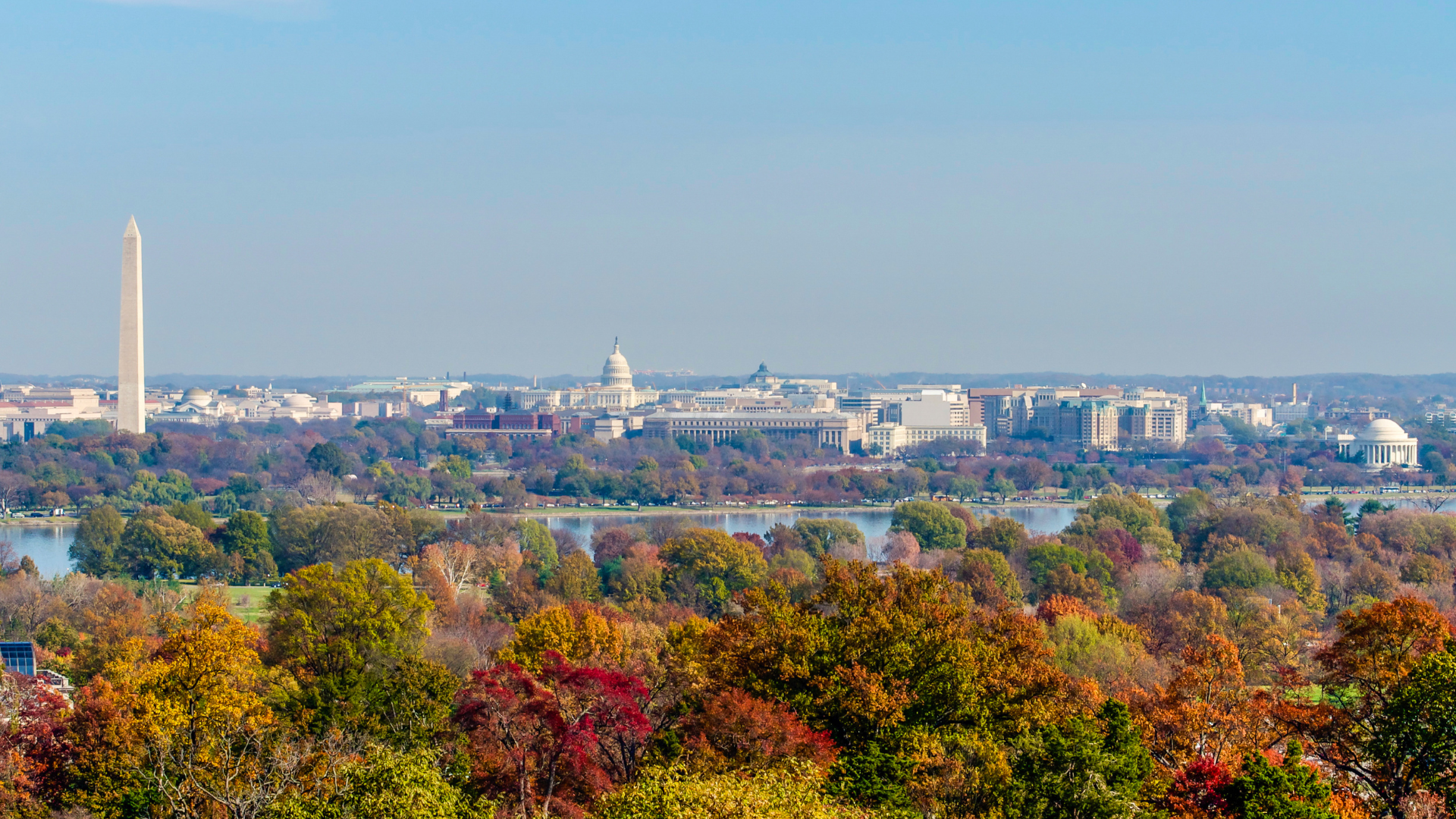
The Good, the Bad and the Ugly re you considering living in Kettle Falls, Washington , or wondering whether this small Northeast Washington community might be a good place to call home? Perhaps you are searching for affordable real estate, rural acreage, easy access to Lake Roosevelt, excellent fishing, or simply a quieter life away from heavy traffic and crowded neighborhoods. Kettle Falls has plenty to offer—but like every community, it also has a few drawbacks. Here is our honest, locally informed look at the good, the bad and the ugly of moving to Kettle Falls, Washington.
The Good, the Bad and the Ugly I still remember the day I drove a big yellow Hertz truck into Chewelah, Washington. We had been on the road for three long days. Grandpa George was following in his big Dodge Ram, pulling a trailer loaded with six horses, three beehives and four apple trees . My truck contained nearly everything else we owned. Riding in the cab beside me was Shasta, our German Shepherd, who was shedding so badly that I spent much of the trip spitting dog hair out the window! That was my introduction to Chewelah. Honestly, my first impression was not especially favorable. Parts of town looked tired and neglected. There were rundown homes scattered throughout the community, and the town did not immediately strike me as a place filled with optimism or opportunity. But that was then. During the years since our arrival, I have watched Chewelah transform from something of an unremarkable caterpillar into a beautiful butterfly. That is why I call Chewelah:
🌲Thinking about Moving to Colville, WA? A Local's 30-Year Guide to Living in Stevens County When I moved to the Colville area nearly 30 years ago from the Midwest, I knew I was in for a change. What I didn’t know was that I was stumbling into a place I would never want to leave. I used to have a global job that took me all over the world. I distinctly remember telling my wife back then: “If I ever find a better place for us to live, we will move.” Three decades later, I’m still here. The truth is, it is just plain beautiful in Northeast Washington. Surrounded by rugged mountains, sweeping valleys, rushing rivers, and pristine lakes, living in Colville often feels like residing inside a massive, breathtaking national park. While Colville is historically a Pacific Northwest mill town, it completely breaks the mold. It has a level of diversity, economic stability, and community variety that makes it anything but typical. Whether you are actively browsing homes for sale in Colville, WA, considering relocating to Stevens County, or just looking for a reason to appreciate our beautiful valley, here is an insider’s look at what makes this area so incredible.
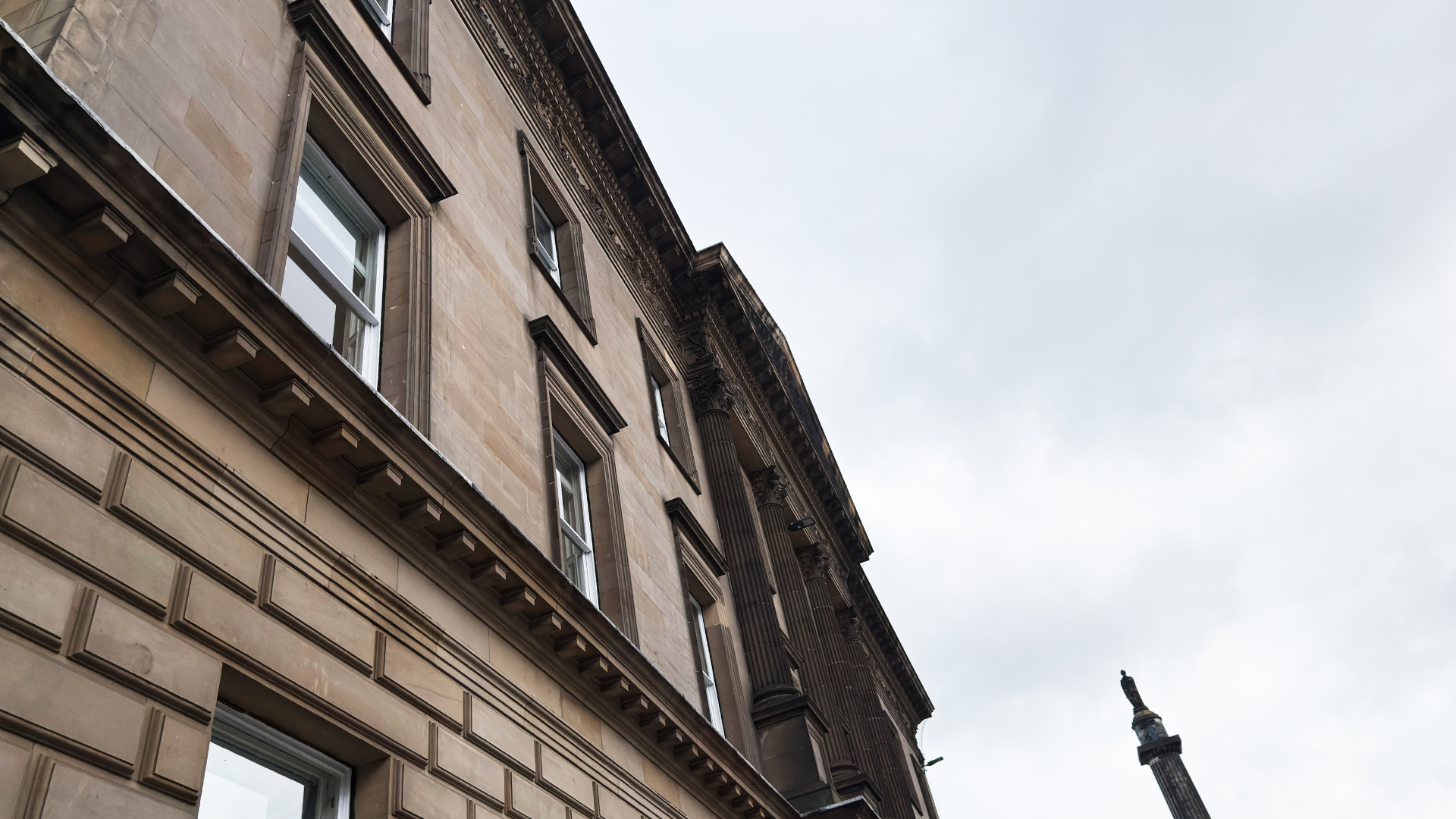
🌲Why More Buyers Are Choosing Small-Town Living Over the past few years, we’ve had more and more conversations that start the same way: 👉“We’re thinking about getting out of the city…” 👉 “We just want a little more space…” And where do those buyers end up looking? Places like Colville, Chewelah, and Kettle Falls . These communities aren’t just alternatives to Spokane — for a lot of buyers, they’re exactly what they’ve been looking for all along.
💰The Question We’re Hearing Every Day If you’ve been thinking about buying a home lately, chances are interest rates are top of mind. We hear it all the time from clients across Spokane, Deer Park, Colville, Chewelah, Loon Lake, and Kettle Falls : 👉“Should I wait for rates to drop more?” 👉 “Are rates still too high to buy?” These are good questions — and the reality right now is actually more encouraging than a lot of people think.

Every year, I talk to homeowners across Northeast Washington—places like Spokane, Deer Park, Loon Lake, Chewelah, Colville, and Kettle Falls—who are considering selling their property “For Sale By Owner” (FSBO). And I completely understand why. On the surface, it seems simple: Sell it yourself → save the commission → keep more money. But in reality, it rarely works out that way. If you’re thinking about going FSBO—especially with a rural or unique property—here are a few things worth understanding before you make that decision.